


Oil seals are essential sealing components used in mechanical equipment, automotive systems, hydraulic machinery, industrial gearboxes, pumps, and many other applications. Their primary function is to prevent lubricating oil, grease, and other fluids from leaking while protecting internal components from dust, dirt, moisture, and other contaminants.
With the continuous development of industrial machinery and automotive technology, the demand for high-quality oil seals is increasing worldwide. Choosing the right oil seal is important for maintaining equipment performance, reducing maintenance costs, and extending the service life of mechanical components.
Whether you are looking for standard rubber oil seals, customized TC oil seals, hydraulic oil seals, or high-pressure oil seals, understanding their structures, materials, and applications will help you make a better purchasing decision.
In this article, we will introduce the main types of oil seals, their materials, applications, selection criteria, and how to find a reliable oil seals manufacturer.
1. What Are Oil Seals?
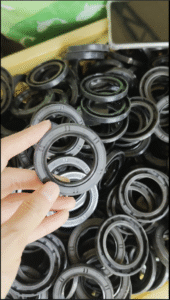
Oil seals, also known as rotary shaft seals or radial shaft seals, are mechanical sealing components designed to prevent fluid leakage between rotating shafts and stationary housings.
Most traditional oil seals consist of several important parts:
– Outer Case: Provides structural support and helps secure the oil seal inside the housing.
– Sealing Lip: Maintains close contact with the rotating shaft to prevent oil leakage.
– Spring: Provides consistent radial pressure on the sealing lip.
– Rubber Coating: Improves sealing performance and installation stability.
– Metal Reinforcement: Strengthens the overall structure and maintains dimensional stability.
The sealing lip is one of the most important parts of an oil seal. Its material, shape, and contact pressure directly affect sealing performance, wear resistance, and service life.
Oil seals are widely used in environments where rotating shafts require reliable lubrication retention and contamination protection.
2. Common Types of Oil Seals
Different mechanical applications require different oil seal structures. Selecting the correct type can significantly improve sealing reliability.
2.1 TC Oil Seals
TC oil seals are among the most widely used rubber rotary shaft seals. They typically feature a double-lip design, a metal reinforcement ring, and a garter spring.
The primary sealing lip prevents lubricating oil from leaking, while the secondary dust lip helps prevent external contaminants from entering the equipment.
Main features:
– Excellent oil resistance.
– Good dust and dirt protection.
– Reliable sealing performance.
– Suitable for rotating shaft applications.
– Available in various standard and customized dimensions.
Typical applications: Electric motors, gearboxes, pumps, agricultural machinery, automotive components, and industrial equipment.
2.2 TB and Other Rubber Oil Seals
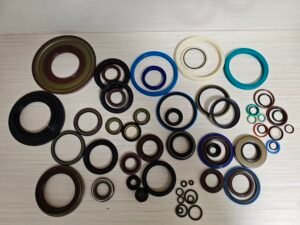
TB oil seals are commonly used in mechanical transmission systems and industrial equipment. Depending on the manufacturer’s design, they may feature different metal case configurations and sealing lip structures.
Other rubber oil seals can be manufactured with different lip profiles, outer diameters, and material combinations to meet specific working conditions.
2.3 Hydraulic Oil Seals
Hydraulic oil seals are designed for hydraulic systems that operate under pressure. They help prevent hydraulic fluid leakage and maintain stable system pressure.
Compared with conventional rotary oil seals, hydraulic seals may have different structural designs depending on whether they are used in reciprocating, rotary, or static applications.
Typical applications:
– Hydraulic cylinders.
– Excavators and loaders.
– Construction machinery.
– Hydraulic pumps and valves.
– Industrial hydraulic equipment.
2.4 High-Pressure Oil Seals
High-pressure oil seals are designed for demanding operating environments where conventional sealing structures may not provide sufficient performance.
Their sealing performance depends on material selection, lip geometry, pressure conditions, shaft speed, temperature, and installation accuracy.
They are commonly used in hydraulic machinery, industrial pumps, compressors, and heavy-duty mechanical systems.
2.5 PTFE Oil Seals
PTFE oil seals are manufactured using polytetrafluoroethylene, a material known for its low friction coefficient and excellent chemical resistance.
Compared with conventional rubber oil seals, PTFE sealing lips can provide advantages in certain high-speed, high-temperature, and chemically demanding applications.
Main advantages:
– Low friction.
– Excellent chemical resistance.
– Good temperature resistance.
– Low wear under suitable operating conditions.
– Suitable for demanding sealing environments.
2.6 Automotive Oil Seals
Automotive oil seals are essential components in vehicle engines, transmissions, steering systems, and wheel assemblies.
They prevent lubricant leakage and help protect internal mechanical components from dust and contaminants.
Common automotive oil seal applications include:
– Engine crankshaft oil seals.
– Camshaft oil seals.
– Transmission oil seals.
– Axle oil seals.
– Power steering oil seals.
– Wheel hub oil seals.
2.7 Valve Oil Seals
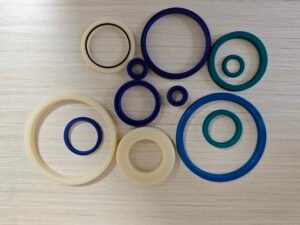
Valve oil seals, also known as valve stem seals, are used in internal combustion engines.
Their main function is to regulate the amount of engine oil entering the combustion chamber through the valve guides, helping reduce excessive oil consumption and emissions.
3. Common Materials Used in Oil Seals
Material selection is one of the most important factors affecting oil seal performance. Different materials offer different levels of oil resistance, temperature resistance, chemical compatibility, and mechanical durability.
Material Main Characteristics Typical Applications
NBR Good oil resistance and cost-effectiveness General industrial and automotive oil seals
FKM Excellent heat and chemical resistance High-temperature applications
Silicone Good flexibility and low-temperature performance Specialized automotive and industrial applications
PTFE Low friction and excellent chemical resistance High-speed and demanding applications
Polyurethane (PU) High abrasion resistance and mechanical strength Hydraulic sealing applications
The correct material should be selected according to the working temperature, fluid type, shaft speed, operating pressure, and environmental conditions.
For example, NBR is suitable for many conventional mineral-oil applications, while FKM is often preferred for higher-temperature environments. PTFE can be considered when low friction or chemical resistance is particularly important.
4. Applications of Oil Seals in Different Industries
Oil seals are used across a wide range of industries because almost every mechanical system involving lubrication requires effective sealing.
Automotive Industry
Oil seals are widely used in engines, transmissions, steering systems, axles, and wheel hubs. They help prevent lubricant leakage and maintain the reliability of vehicle components.
Industrial Machinery
Electric motors, reducers, gearboxes, pumps, and compressors rely on oil seals to retain lubricants and prevent contamination.
Construction Machinery
Excavators, bulldozers, loaders, and other heavy-duty equipment operate under demanding conditions. Hydraulic and oil seals help protect internal components and maintain equipment efficiency.
Agricultural Machinery
Tractors, harvesters, and agricultural equipment require durable oil seals that can withstand dust, moisture, vibration, and continuous operation.
Hydraulic and Pneumatic Systems
Hydraulic seals and related sealing components help control fluid leakage, maintain pressure, and improve the reliability of hydraulic equipment.
5. How to Choose the Right Oil Seals
Choosing the correct oil seal involves more than simply matching its outside dimensions. Buyers should consider several technical factors.
1. Confirm the Dimensions
The three basic dimensions of a standard rotary shaft oil seal are:
– Inner Diameter (ID): The shaft diameter.
– Outer Diameter (OD): The housing bore diameter.
– Width (W): The axial thickness of the oil seal.
For example, a TC oil seal measuring 30 × 50 × 10 mm has an inner diameter of 30 mm, an outer diameter of 50 mm, and a width of 10 mm.
2. Identify the Working Environment
Consider the operating temperature, pressure, shaft speed, lubrication type, and exposure to dust or moisture.
3. Select the Appropriate Material
Choose NBR, FKM, silicone, PTFE, or another suitable material according to the actual working conditions.
4. Confirm the Oil Seal Structure
Different structures, including TC, TB, TA, and other customized designs, offer different sealing characteristics.
5. Consider Quality and Manufacturing Standards
A reliable oil seals manufacturer should have consistent production processes, strict dimensional inspection, stable material quality, and effective quality control.
6. Check Customization Capabilities
For special equipment or discontinued spare parts, customized oil seals may be necessary. A manufacturer with custom mold development and production capabilities can provide more flexible solutions.
6. Why Choose a Professional Oil Seals Manufacturer?
Finding a reliable oil seals supplier is important for distributors, wholesalers, importers, equipment manufacturers, and industrial maintenance companies.
A professional manufacturer should provide more than competitive prices. Product consistency, delivery reliability, technical communication, and after-sales service are equally important.
When evaluating an oil seals manufacturer, consider the following:
– More than 10 years of manufacturing experience.
– A wide range of oil seal products.
– Customized production capabilities.
– Professional manufacturing equipment.
– Strict quality inspection procedures.
– Stable production capacity.
– International export experience.
– Responsive customer service.
Working directly with a factory can also help buyers communicate technical requirements more efficiently and develop customized sealing solutions.
7. China Feiyun Seals Factory – Your Reliable Oil Seals Manufacturer in China
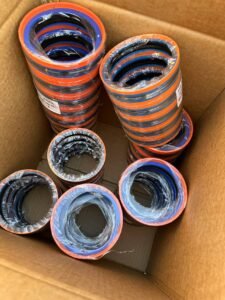
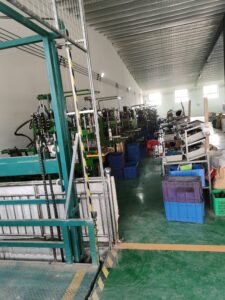
China Feiyun Seals Factory, located in Pingxiang County, China, is a professional manufacturer specializing in rubber sealing products, with more than 15 years of experience in the sealing industry.
We focus on the production and customization of various sealing products to meet the requirements of customers from different industries and countries.
Our main products include:
– TC Oil Seals.
– O-Rings and O-Ring Repair Boxes.
– High-Pressure Oil Seals.
– Hydraulic Oil Seals.
– Power Steering Oil Seals.
– PTFE Oil Seals.
– Automotive Oil Seals.
– Valve Oil Seals.
– GR, GS, and MT Polyurethane Elastic Pads.
– Other Customized Rubber Sealing Products.
Our Manufacturing Advantages
1. More Than 15 Years of Industry Experience
With over 15 years of experience in rubber sealing products, we have developed extensive knowledge of product structures, material selection, and manufacturing processes.
2. Professional Production Capabilities
We specialize in rubber seals and have a comprehensive employee training system. Our production team is familiar with manufacturing processes and product requirements.
3. Customized Oil Seal Solutions
We can undertake customized production according to customer drawings, samples, dimensions, and application requirements.
Whether you need standard TC oil seals, special hydraulic oil seals, or customized rubber sealing components, we aim to provide suitable solutions.
4. Strict Quality Control
Product quality is one of our priorities. We maintain strict requirements throughout the manufacturing process to help ensure product consistency and meet customer specifications.
5. Reliable Delivery and After-Sales Service
We pay close attention to delivery schedules and maintain communication with customers throughout the order process. We also provide after-sales support to help address product-related questions.
6. Rich International Export Experience
We have extensive experience in international trade and have served more than 500 customers worldwide.
We understand the importance of product quality, communication efficiency, delivery time, and long-term cooperation in international business.
8. Custom Oil Seals for Different Industrial Requirements
Not all mechanical systems use standard oil seal sizes. Some equipment requires special dimensions, unique sealing structures, or specific rubber materials.
At China Feiyun Seals Factory, we welcome inquiries for customized oil seals based on:
– Technical drawings.
– Existing oil seal samples.
– Inner diameter, outer diameter, and width.
– Material requirements.
– Oil seal structure.
– Working temperature and operating environment.
– Specific equipment or application requirements.
If you cannot find the exact oil seal you need in the market, you can contact us with your drawings or samples.
Our team will help evaluate your requirements and discuss suitable production solutions.
9. Frequently Asked Questions About Oil Seals
Q1: What is the main function of an oil seal?
The main function of an oil seal is to prevent lubricating oil or grease from leaking out of mechanical equipment while preventing dust, dirt, and other contaminants from entering.
Q2: What is the difference between TC and TB oil seals?
TC and TB refer to different oil seal structural designs. TC oil seals commonly feature a double-lip structure with a main sealing lip and an auxiliary dust lip. TB designs may use different metal case and lip configurations depending on the manufacturer.
Always confirm the manufacturer’s drawings and specifications before purchasing.
Q3: What materials are commonly used for oil seals?
Common oil seal materials include NBR, FKM, silicone, and PTFE. The appropriate material depends on operating temperature, fluid compatibility, pressure, speed, and environmental conditions.
Q4: Can oil seals be customized?
Yes. Professional oil seal manufacturers can customize products according to drawings, samples, dimensions, materials, and specific application requirements.
Q5: How do I identify the correct oil seal size?
Measure the inner diameter, outer diameter, and width of the oil seal. You should also identify its structure, material, and working environment to ensure the replacement seal is suitable.
Q6: Where can I buy oil seals in bulk?
You can purchase oil seals from professional manufacturers, wholesalers, and industrial sealing suppliers. Buying directly from a factory can provide opportunities for customized production, technical communication, and long-term supply cooperation.
Q7: How do I find a reliable oil seals supplier in China?
Look for a manufacturer with relevant industry experience, a wide product range, customization capabilities, quality control procedures, export experience, and responsive after-sales service.
China Feiyun Seals Factory welcomes inquiries from international distributors, wholesalers, importers, and industrial equipment manufacturers.
10. Contact China Feiyun Seals Factory for Oil Seals
Are you looking for a professional oil seals manufacturer or supplier in China?
China Feiyun Seals Factory has more than 15 years of experience in manufacturing rubber sealing products. We specialize in TC oil seals, hydraulic oil seals, high-pressure oil seals, PTFE oil seals, automotive oil seals, O-rings, and customized sealing products.
Whether you need standard oil seals, bulk orders, OEM production, or customized sealing solutions, we are ready to discuss your requirements.
Contact us today and let us help you find the right sealing products for your business.
– Company: China Feiyun Seals Factory
– Location: Pingxiang County, China
– Experience: More than 15 years
– Main Products: Oil Seals, O-Rings, Hydraulic Seals, PTFE Seals, Automotive Oil Seals
– Customers: More than 500 customers worldwide
We look forward to building long-term business relationships with customers around the world!
Leave A Comment