


SKF Seals: Complete Guide to Types, Applications, Materials and Selection
What Are SKF Seals?
SKF seals are sealing solutions designed to protect bearings, rotating shafts, hydraulic systems, and industrial equipment from lubricant leakage and external contamination. They play an important role in maintaining equipment performance, reducing friction-related damage, and extending the service life of mechanical components.
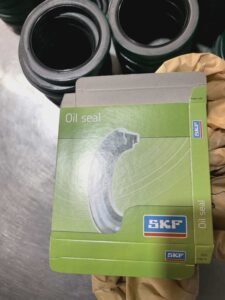
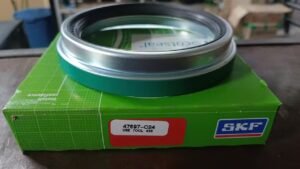
In industrial and automotive applications, sealing performance directly affects equipment reliability. Dust, dirt, water, chemicals, and other contaminants can enter mechanical systems and cause premature wear. At the same time, lubricant leakage can lead to increased friction, overheating, and equipment failure.
SKF provides a range of sealing solutions for different operating environments, including oil seals, hydraulic seals, industrial seals, and bearing seals.
Understanding the different types of SKF seals, their materials, and their applications can help engineers, maintenance professionals, and purchasing managers select the right sealing solution.
Types of SKF Seals
Different applications require different sealing designs. SKF sealing products cover a variety of industrial and mechanical requirements.
1. SKF Oil Seals
SKF oil seals, also known as radial shaft seals, are commonly used to retain lubricants and prevent contaminants from entering rotating machinery.
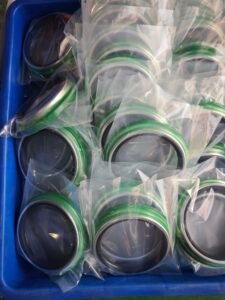
They are typically installed between a rotating shaft and a stationary housing.
Common applications include:
Automotive engines and transmissions
Industrial gearboxes
Electric motors
Pumps and compressors
Agricultural machinery
Construction equipment
Oil seals are available in different designs depending on operating speed, temperature, pressure, and sealing requirements.
2. SKF Hydraulic Seals
Hydraulic seals are designed to control fluid leakage in hydraulic systems. They are essential components in equipment operating under hydraulic pressure.
Common hydraulic sealing products include:
Piston seals
Rod seals
Wiper seals
Guide rings
Wear rings
Buffer seals
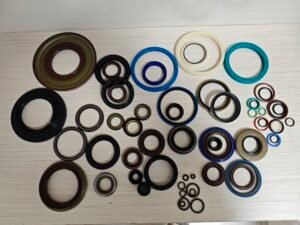
These products are widely used in hydraulic cylinders, excavators, loaders, industrial machinery, and mobile hydraulic equipment.
3. SKF Bearing Seals
Bearing seals help protect bearings from contamination while retaining grease or other lubricants.
They are particularly important in environments where dust, moisture, and other particles may affect bearing performance.
Depending on the bearing design, sealing solutions may include contact seals and non-contact seals.
Proper bearing sealing helps improve service life and reduce maintenance requirements.
4. SKF Industrial Seals
Industrial sealing solutions are used in various mechanical systems that require reliable protection against leakage and contamination.
Applications include:
Pumps
Compressors
Gearboxes
Industrial motors
Manufacturing machinery
Processing equipment
The appropriate seal design depends on the equipment structure and operating conditions.
Common Materials Used in SKF Seals
Material selection is one of the most important factors affecting sealing performance.
Different elastomers and engineering materials offer different levels of resistance to heat, oil, chemicals, pressure, and wear.
NBR (Nitrile Rubber)
NBR is widely used in oil seals and general industrial sealing applications.
Its advantages include:
Good resistance to mineral oils
Good mechanical properties
Good abrasion resistance
Cost-effective performance
NBR is commonly used in automotive and industrial equipment.
FKM (Fluoroelastomer)
FKM is selected for applications requiring higher temperature resistance and chemical compatibility.
Its characteristics include:
Good heat resistance
Excellent resistance to many oils and fuels
Good chemical resistance
Suitable for demanding operating environments
FKM seals are commonly used in automotive engines, industrial machinery, and high-temperature applications.
EPDM (Ethylene Propylene Diene Monomer)
EPDM is commonly used in applications involving water, steam, and certain chemicals.
Its properties include:
Good weather resistance
Good ozone resistance
Good water resistance
Good resistance to aging
However, EPDM is generally not suitable for applications involving petroleum-based oils.
PTFE (Polytetrafluoroethylene)
PTFE is an engineering material known for its low friction and excellent chemical resistance.
It is used in applications where traditional rubber sealing materials may not provide sufficient performance.
Common applications include industrial machinery, compressors, pumps, and specialized sealing systems.
Applications of SKF Seals
SKF sealing products are used across many industries because different types of machinery require protection against leakage, contamination, and premature wear.
Automotive Industry
In automotive applications, seals are used in engines, transmissions, wheel hubs, steering systems, and other mechanical components.
Their main functions include retaining lubricants, preventing dust entry, and maintaining stable operating conditions.
Construction Machinery
Heavy machinery such as excavators, bulldozers, and loaders operates in demanding environments.
Seals must withstand dust, mud, vibration, hydraulic pressure, and changing temperatures.
Reliable sealing solutions help protect hydraulic systems and rotating components.
Agricultural Machinery
Tractors, harvesters, and other agricultural machines frequently operate in environments containing dust, water, soil, and debris.
Proper sealing helps prevent contamination and reduce equipment maintenance.
Industrial Manufacturing
Industrial equipment such as pumps, motors, gearboxes, and compressors requires effective sealing to maintain lubrication and prevent fluid leakage.
The correct sealing solution helps improve operational efficiency and equipment reliability.
How to Choose the Right SKF Seals
Choosing the correct seal requires more than simply identifying the product name. Engineers should consider several technical factors before purchasing or replacing a sealing component.
1. Identify the Application
Determine whether the seal will be used in a rotating shaft, hydraulic cylinder, bearing assembly, or static connection.
Different applications require different sealing structures.
2. Check the Dimensions
For radial shaft seals, the three main dimensions are:
Shaft diameter
Housing bore diameter
Seal width
For hydraulic seals, additional information about groove dimensions and installation structure may be required.
3. Consider Operating Temperature
Temperature affects the physical properties and service life of sealing materials.
Always select a material suitable for the actual working temperature.
4. Evaluate Pressure and Speed
Hydraulic seals must be compatible with system pressure, while rotary shaft seals must be suitable for shaft speed and surface conditions.
Exceeding the recommended operating limits may cause premature seal failure.
5. Check Fluid Compatibility
The sealing material must be compatible with the lubricant, hydraulic oil, fuel, water, or chemicals used in the equipment.
Incorrect material selection may lead to swelling, hardening, cracking, or leakage.
Common Causes of SKF Seal Failure
Even high-quality sealing products can fail if operating conditions or installation practices are unsuitable.
Some common causes include:
Incorrect Installation
Improper installation can damage the sealing lip or deform the seal structure.
Excessive Temperature
High operating temperatures can accelerate material aging and reduce elasticity.
Shaft Surface Damage
Scratches, corrosion, and excessive shaft roughness may damage the sealing lip and cause leakage.
Incorrect Material Selection
Using an incompatible elastomer can cause swelling, shrinkage, cracking, or loss of sealing performance.
Contamination
Dust, dirt, and metal particles can cause abrasion and premature wear.
Excessive Pressure
Operating beyond the seal’s pressure rating may cause deformation or sealing failure.
Regular inspection and proper maintenance can help prevent many of these problems.
SKF Seals Replacement: What Should You Know?
When replacing SKF seals, it is important to identify the original product specifications and operating requirements.
Before selecting a replacement, check:
Original SKF part number.
Seal dimensions and design.
Material specifications.
Operating temperature.
Pressure and rotational speed.
Working fluid or lubricant.
Equipment manufacturer and application.
A replacement seal should meet the necessary dimensional and performance requirements. Similar appearance alone does not guarantee compatibility.
For accurate identification, technical drawings, product labels, original part numbers, and physical samples can be useful references.
Frequently Asked Questions About SKF Seals
1. What are SKF seals used for?
SKF seals are used to prevent lubricant leakage and protect mechanical equipment from external contaminants. They are widely applied in automotive systems, industrial machinery, hydraulic equipment, and rotating machinery.
2. What types of SKF seals are available?
Common sealing categories include radial shaft seals, hydraulic seals, bearing seals, and industrial sealing solutions. Specific designs depend on the application and product range.
3. What materials are used in SKF seals?
Sealing materials vary according to product design and application. Common engineering and elastomer materials include NBR, FKM, EPDM, and PTFE.
4. How do I identify an SKF oil seal?
You can identify an oil seal by checking its part number, dimensions, markings, and structural design. The main dimensions of a standard radial shaft seal are shaft diameter, housing bore diameter, and width.
5. How often should SKF seals be replaced?
There is no universal replacement interval. Seal service life depends on operating temperature, pressure, rotational speed, lubrication, contamination, installation quality, and material selection. Inspection should follow equipment maintenance recommendations.
6. Can SKF seals be used in hydraulic systems?
Yes. SKF offers sealing solutions for hydraulic applications, including products designed for hydraulic cylinders and other fluid power equipment. The correct design must match the system’s pressure, speed, temperature, and fluid requirements.
Conclusion
SKF seals play an important role in protecting mechanical equipment, retaining lubricants, and preventing external contamination.
From oil seals and hydraulic seals to bearing seals and industrial sealing solutions, different sealing designs are developed to meet specific application requirements.
Selecting the correct SKF seal requires careful consideration of dimensions, material compatibility, operating temperature, pressure, shaft speed, and working environment.
By understanding these factors, equipment manufacturers, engineers, and maintenance professionals can improve sealing performance, reduce unexpected downtime, and extend machinery service life.
Leave A Comment