


1. What Are Rotary Shaft Seals?
Rotary shaft seals are essential sealing components used in mechanical equipment to prevent lubricant leakage and protect internal components from dust, dirt, moisture, and other external contaminants. They are widely used in rotating machinery, automotive systems, hydraulic equipment, industrial motors, pumps, gearboxes, and agricultural machinery.
A rotary shaft seal is typically installed between a rotating shaft and a stationary housing. Its primary function is to maintain a reliable sealing interface while allowing the shaft to rotate smoothly.
Also known as rotary oil seals, shaft oil seals, or radial shaft seals, these products play an important role in maintaining equipment performance, reducing friction-related wear, and extending machinery service life.
Choosing the correct rotary shaft seal is important for preventing oil leakage, reducing maintenance costs, and ensuring stable operation under different working conditions.
2. Common Types of Rotary Shaft Seals
Different machines require different sealing structures depending on shaft speed, pressure, temperature, lubrication conditions, and environmental requirements.
The following are some commonly used rotary shaft seal types.
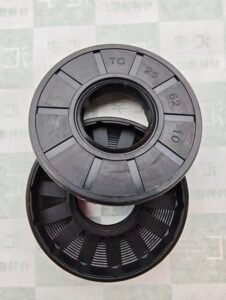
TC Rotary Shaft Seals
TC oil seals are among the most widely used rotary shaft seals. They feature a rubber-covered outer diameter, a primary sealing lip with a spring, and an auxiliary dust lip.
Main advantages include:
Excellent oil leakage prevention.
Good sealing performance against dust and contaminants.
Reliable installation and fit.
Wide compatibility with different industrial and automotive applications.
TC rotary shaft seals are commonly used in gearboxes, electric motors, pumps, automotive components, and agricultural machinery.
TB and Other Rubber-Covered Oil Seals
TB oil seals are another common type of radial shaft seal. Depending on the design, they can provide reliable sealing performance in different mechanical applications.
Rubber-covered outer diameters help improve housing contact and compensate for minor surface irregularities.
High-Pressure Rotary Shaft Seals
Standard rotary shaft seals are generally designed for low-pressure or near-atmospheric applications. When equipment operates under higher pressure, specially designed high-pressure rotary shaft seals may be required.
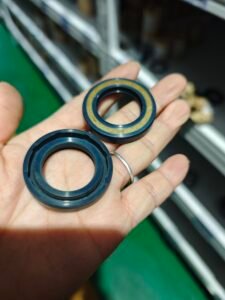
These seals need suitable lip structures, materials, and installation conditions to withstand the operating pressure and maintain sealing performance.
PTFE Rotary Shaft Seals
PTFE rotary shaft seals are designed for applications requiring low friction, excellent chemical resistance, and good temperature resistance.
They are suitable for certain high-speed applications and demanding industrial environments. The correct PTFE compound and sealing design should be selected according to the operating conditions.
3. Materials Used in Rotary Shaft Seals
The material of a rotary shaft seal directly affects its durability, flexibility, temperature resistance, and compatibility with different fluids.
Common materials include:
NBR (Nitrile Rubber)
NBR is widely used in standard oil seals because of its good resistance to mineral oils, fuels, and general industrial lubricants. It is a cost-effective choice for many automotive and industrial applications.
FKM (Fluoroelastomer)
FKM provides excellent resistance to high temperatures, oils, fuels, and many chemicals. It is suitable for demanding automotive and industrial environments.
Silicone Rubber (VMQ)
Silicone rubber offers excellent flexibility and good performance at low and high temperatures. It is used in applications where temperature flexibility is important.
EPDM Rubber
EPDM provides good resistance to water, steam, weathering, and certain chemicals. However, it is generally not suitable for conventional petroleum-based lubricating oils.
PTFE (Polytetrafluoroethylene)
PTFE offers low friction, excellent chemical resistance, and good thermal stability. It is frequently selected for specialized rotary shaft sealing applications.
When selecting a material, buyers should consider operating temperature, shaft speed, lubricant type, pressure, and the working environment.
4. Applications of Rotary Shaft Seals
Rotary shaft seals are used in a wide range of industries because rotating components require reliable lubrication retention and contamination protection.
Common applications include:
Automotive Industry: Engine crankshafts, camshafts, transmissions, wheel hubs, and power steering systems.
Hydraulic Equipment: Hydraulic pumps, motors, and rotating hydraulic components.
Industrial Machinery: Gearboxes, electric motors, compressors, and industrial pumps.
Agricultural Machinery: Tractors, harvesters, agricultural transmissions, and drive systems.
Construction Equipment: Excavators, loaders, hydraulic machinery, and heavy-duty equipment.
General Mechanical Equipment: Bearings, rotating shafts, and mechanical transmission systems.
In these applications, high-quality rotary shaft seals help reduce lubricant leakage, prevent contamination, and improve equipment reliability.
5. How to Choose the Right Rotary Shaft Seals
Selecting the correct rotary shaft seal requires more than simply checking its dimensions. Buyers and engineers should consider several important factors.
1. Check the Seal Dimensions
The three basic dimensions of a rotary shaft seal are:
Inner diameter (ID): The diameter of the rotating shaft.
Outer diameter (OD): The diameter of the housing bore.
Width (W): The overall thickness of the seal.
For example, a rotary shaft seal with dimensions of 30 × 47 × 7 mm is designed for a 30 mm shaft, a 47 mm housing bore, and a 7 mm installation width.
Always verify the dimensions before ordering replacement seals.
2. Consider Operating Temperature
Different rubber materials have different temperature resistance ranges. NBR is suitable for many standard applications, while FKM and PTFE may be more appropriate for higher-temperature environments.
The actual operating temperature and fluid compatibility should always be checked against the material specifications.
3. Check Shaft Speed and Surface Condition
Rotary shaft seals operate in direct contact with rotating shafts. Shaft speed, surface roughness, hardness, runout, and alignment can all influence sealing performance.
Excessive shaft wear or an unsuitable surface finish may cause premature leakage and seal failure.
4. Identify the Working Medium
The sealing material must be compatible with the lubricant or fluid being used.
For example, NBR is commonly used with mineral oils, while PTFE and FKM can provide advantages in certain chemically demanding applications.
5. Confirm the Seal Structure
Different applications may require different sealing structures, including single-lip, double-lip, spring-loaded, dust-proof, or specially reinforced designs.
Choosing the correct structure helps improve sealing reliability and service life.
6. Common Problems and Causes of Rotary Shaft Seal Failure
Even high-quality rotary shaft seals can fail prematurely if they are incorrectly selected, installed, or operated.
Common problems include:
Oil Leakage
Possible causes include worn sealing lips, incorrect seal dimensions, damaged springs, shaft surface damage, or excessive pressure.
Premature Lip Wear
High shaft speed, insufficient lubrication, excessive friction, and poor installation can accelerate sealing lip wear.
Seal Deformation
Excessive temperature, incompatible fluids, or unsuitable rubber materials may cause swelling, hardening, or deformation.
Dust and Contamination
A damaged dust lip or unsuitable sealing structure may allow external contaminants to enter the equipment.
Incorrect Installation
Improper installation can damage the sealing lip, deform the seal body, or cause uneven contact with the shaft.
To improve service life, always use the correct seal dimensions, compatible materials, and proper installation tools.
7. Why Choose China Feiyun Seals Factory for Rotary Shaft Seals?
China Feiyun Seals Factory, located in Pingxiang County, China, has more than 15 years of experience in manufacturing rubber sealing products.
We specialize in customized rotary shaft seals and various industrial and automotive sealing solutions. Our main products include:
TC oil seals and customized rotary shaft seals.
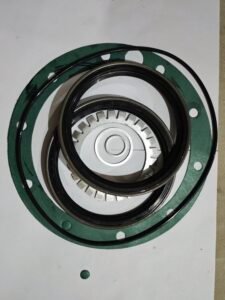
O-rings and O-ring repair kits.
High-pressure oil seals.
Hydraulic oil seals.
Power steering oil seals.
PTFE oil seals.
Automotive oil seals.
Valve oil seals.
GR, GS, and MT polyurethane elastic pads.
With extensive experience in rubber sealing products, our factory has established a professional production team and a comprehensive employee training system. We are familiar with the manufacturing processes of different sealing products and can provide customized solutions according to customer requirements.
Our Advantages:
More Than 15 Years of Manufacturing Experience
Our experience in the sealing industry enables us to understand different application requirements and provide suitable product solutions.
Customized Product Manufacturing
We can manufacture rotary shaft seals according to customer drawings, samples, dimensions, materials, and application requirements.
Strict Quality Control
We maintain strict requirements for product quality and carefully control production processes to help ensure consistent product performance.
Reliable Delivery Time
We pay close attention to production schedules and delivery arrangements to support our customers’ purchasing plans.
Extensive Export Experience
We have rich international trade experience and have served more than 500 customers worldwide.
Professional After-Sales Service
We provide responsive customer support and work with customers to address product selection and purchasing requirements.
Whether you need standard TC oil seals, customized rotary shaft seals, or specialized sealing products, China Feiyun Seals Factory is ready to support your business.
8. Customized Rotary Shaft Seals Manufacturer in China
If you are looking for a reliable rotary shaft seals manufacturer in China, China Feiyun Seals Factory can provide customized sealing products for different industrial and automotive applications.
We welcome wholesalers, distributors, importers, machinery manufacturers, and OEM customers from around the world.
To receive a quotation, please provide the following information:
Required inner diameter, outer diameter, and width.
Seal type or product drawing.
Required rubber or sealing material.
Working temperature and operating conditions.
Estimated order quantity.
Our team will help you identify suitable rotary shaft seals according to your requirements.
Contact China Feiyun Seals Factory Today!
If you have any purchasing requirements for rotary shaft seals, TC oil seals, hydraulic oil seals, PTFE oil seals, or other rubber sealing products, please contact us.
We look forward to establishing long-term business relationships with customers worldwide.
China Feiyun Seals Factory – Your Reliable Partner for Customized Rubber Sealing Products.
Leave A Comment