


The oil pan seal replacement cost is a common concern for vehicle owners, auto repair shops, and automotive parts buyers. The oil pan seal plays an important role in preventing engine oil from leaking between the engine block and the oil pan. When this seal becomes worn, damaged, or hardened, engine oil may leak, potentially affecting engine lubrication and performance.
Understanding the cost of oil pan seal replacement, the factors that influence repair expenses, and how to choose the right sealing products can help vehicle owners make better maintenance decisions.
In this article, we will explain oil pan seal replacement costs, common symptoms of oil pan seal failure, replacement procedures, and the importance of selecting high-quality automotive oil seals.
1. What Is an Oil Pan Seal?
An oil pan seal, also called an oil pan gasket, is a sealing component installed between the engine block and the oil pan. Its primary function is to prevent engine oil from leaking out of the engine.
Depending on the vehicle design, oil pan seals may be manufactured from different materials, including:
Rubber
Silicone
Cork-rubber composites
Molded elastomer materials
Other specialized sealing materials
A high-quality oil pan seal must provide excellent oil resistance, temperature resistance, elasticity, and long-term sealing performance.
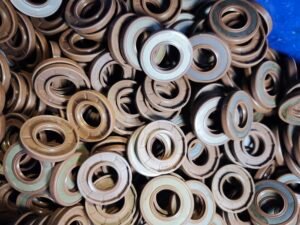
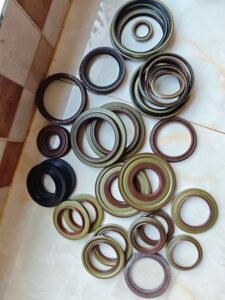
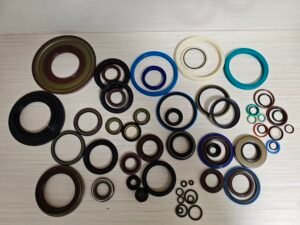
Unlike conventional mechanical components, rubber seals are constantly exposed to engine oil, temperature changes, vibration, and mechanical pressure. Over time, these conditions can cause the sealing material to harden, shrink, crack, or lose elasticity.
2. How Much Does Oil Pan Seal Replacement Cost?
The oil pan seal replacement cost depends on the vehicle model, seal material, labor rates, and the complexity of the repair.
In general, the total replacement cost includes two main parts:
Replacement parts cost
Labor cost
For many passenger vehicles, a typical oil pan gasket replacement may cost approximately $150–$500. However, some vehicles with complicated engine designs or difficult oil pan access may cost $500–$1,000 or more.
These figures are general estimates rather than fixed prices. Actual costs vary by vehicle, location, repair shop, and whether additional repairs are required.
Main Cost Components
| Cost Item | Estimated Cost |
|---|---|
| Oil pan gasket or seal | $20–$100 |
| Engine oil and replacement filter | $30–$100 |
| Labor cost | $100–$400+ |
| Additional cleaning or repair | Varies |
| Total estimated cost | $150–$500+ |
Luxury vehicles, trucks, and certain European models may require more expensive replacement parts and additional labor.
Before starting the repair, it is advisable to obtain a detailed quotation from a professional mechanic.
3. Factors That Affect Oil Pan Seal Replacement Cost
Several factors can influence the final oil pan seal replacement cost.
3.1 Vehicle Make and Model
Different vehicle manufacturers use different engine structures and oil pan designs.
Some vehicles allow relatively easy access to the oil pan, while others require removing additional components such as engine mounts, exhaust pipes, or suspension parts.
The more complicated the disassembly process, the higher the labor cost may be.
3.2 Oil Pan Seal Material
The material used in an oil pan seal directly affects its durability and price.
Rubber and silicone-based sealing materials are commonly used in automotive applications because of their flexibility and sealing properties.
A high-quality oil pan seal should offer:
Excellent oil resistance
Good heat resistance
Stable elasticity
Resistance to aging and cracking
Reliable sealing under vibration
Choosing a suitable material can help reduce the risk of repeated oil leaks and unnecessary maintenance expenses.
3.3 Labor Costs
Labor is often a significant part of the total replacement cost.
For vehicles with easily accessible oil pans, the replacement process may be relatively straightforward. However, some engines require extensive disassembly, increasing repair time and labor expenses.
3.4 Additional Repairs
Sometimes, an oil leak may not come from the oil pan gasket itself.
Other possible causes include:
Crankshaft oil seal failure
Camshaft oil seal leakage
Valve cover gasket damage
Oil drain plug gasket wear
Engine oil filter housing leakage
A professional inspection can help identify the actual source of the leak before replacing any components.
4. Common Signs That Your Oil Pan Seal Needs Replacement
Recognizing early symptoms of oil pan seal failure can help prevent more serious engine problems.
Here are several common warning signs.
4.1 Oil Spots Under Your Vehicle
One of the most obvious symptoms is engine oil appearing underneath your parked vehicle.
If you frequently notice dark brown or black oil spots on the ground, the oil pan gasket may be leaking.
4.2 Low Engine Oil Level
A damaged oil pan seal may cause continuous oil loss.
If you need to add engine oil frequently, it is important to inspect the engine and identify the source of the leakage.
4.3 Burning Oil Smell
Leaking engine oil may come into contact with hot engine components, producing a noticeable burning smell.
This symptom should not be ignored.
4.4 Visible Oil Around the Oil Pan
Oil accumulation around the connection between the oil pan and engine block may indicate a damaged or improperly installed gasket.
However, oil from other engine components can also flow toward the oil pan, so accurate diagnosis is necessary.
5. How to Replace an Oil Pan Seal
Oil pan seal replacement requires proper tools and mechanical knowledge. The general replacement process includes the following steps:
Step 1: Drain the Engine Oil
Allow the engine to cool down and drain the existing engine oil into an appropriate container.
Step 2: Remove the Oil Pan
Remove the oil pan bolts and carefully separate the oil pan from the engine block.
Some vehicles may require removing other components before accessing the oil pan.
Step 3: Clean the Sealing Surfaces
Remove the old gasket material, oil residue, and dirt from both sealing surfaces.
Avoid scratching or damaging the metal surfaces.
Step 4: Install the New Oil Pan Seal
Install the correct replacement gasket according to the vehicle manufacturer’s specifications.
Some engines use molded rubber gaskets, while others require specified liquid gasket sealants.
Step 5: Reinstall the Oil Pan
Tighten the bolts in the recommended sequence and to the specified torque.
Step 6: Refill Engine Oil and Check for Leaks
Refill the engine with the correct oil, start the engine, and inspect the sealing area for leakage.
Always follow the vehicle manufacturer’s service instructions.
6. How to Reduce Oil Pan Seal Replacement Costs
Although oil pan seal replacement is sometimes unavoidable, proper maintenance and product selection can help reduce long-term expenses.
Here are several practical suggestions:
Inspect the engine regularly for signs of oil leakage.
Choose oil-resistant sealing materials.
Use replacement seals that match the original specifications.
Avoid installing low-quality or incorrectly sized seals.
Ensure proper installation and bolt tightening.
Replace damaged seals before oil leakage becomes severe.
For automotive repair shops and parts distributors, purchasing reliable oil seals from experienced manufacturers can also help improve product consistency and reduce customer complaints.
7. Why Choose High-Quality Automotive Oil Seals?
Oil seals and rubber gaskets are essential components in automotive engines and mechanical systems.
A properly manufactured seal helps prevent lubricant leakage, protect internal components, and maintain reliable equipment operation.
When purchasing automotive oil seals, buyers should consider several important factors:
Material Quality: The rubber compound should be suitable for the working environment and compatible with the relevant oils and temperatures.
Dimensional Accuracy: Correct dimensions are essential for proper installation and effective sealing.
Manufacturing Consistency: Stable production processes help ensure consistent product quality between batches.
Customization Capability: Different vehicles and applications may require different sizes, structures, and rubber materials.
Working with an experienced sealing manufacturer can help buyers find suitable products for their specific applications.
8. China Feiyun Seals Factory – Professional Automotive Oil Seal Manufacturer
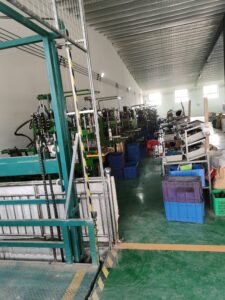
China Feiyun Seals Factory, located in Pingxiang County, China, has more than 15 years of experience in manufacturing rubber sealing products.
We specialize in the production of customized sealing products for automotive, industrial, hydraulic, and mechanical applications.
Our main products include:
Automotive Oil Seals
Hydraulic Oil Seals
High-Pressure Oil Seals
Power Steering Oil Seals
Valve Oil Seals
PTFE Oil Seals
O-Rings and O-Ring Repair Kits
GR, GS, and MT Polyurethane Elastic Pads
With extensive experience in rubber seal manufacturing, our factory understands the importance of material selection, dimensional accuracy, production processes, and product quality control.
Why Work With China Feiyun Seals Factory?
More Than 15 Years of Manufacturing Experience
We have extensive experience in the rubber sealing industry and understand the requirements of different sealing applications.
Customized Product Solutions
We can undertake customized orders based on customer requirements, including different sizes, structures, and materials.
Strict Quality Control
We maintain strict quality requirements throughout the production process to help ensure consistent product quality.
Reliable Delivery Management
We pay close attention to production schedules and delivery times to support our customers’ purchasing plans.
International Export Experience
We have rich export experience and have served more than 500 customers worldwide.
Professional After-Sales Service
We value long-term business relationships and provide professional support to our customers.
Whether you are an automotive parts wholesaler, distributor, repair shop, or industrial equipment manufacturer, China Feiyun Seals Factory can provide customized sealing solutions for your business.
9. Frequently Asked Questions About Oil Pan Seal Replacement Cost
Q1: Is it expensive to replace an oil pan seal?
The cost depends on the vehicle model, gasket price, and labor requirements. Many standard passenger vehicles may cost approximately $150–$500, while more complicated repairs can exceed $1,000.
Q2: Can I drive with a leaking oil pan seal?
Driving with an oil leak is not recommended. Continuous oil loss can reduce engine lubrication and potentially cause serious engine damage. Check the oil level and arrange an inspection as soon as possible.
Q3: How long does an oil pan gasket last?
There is no fixed replacement interval for all vehicles. Service life depends on material quality, engine temperature, driving conditions, and maintenance practices.
Q4: Can an oil pan seal be repaired instead of replaced?
In most cases, replacing a damaged gasket or seal is the more reliable solution. Some minor leaks may be associated with loose bolts or improper installation, but the actual cause should be inspected first.
Q5: What is the difference between an oil pan gasket and an oil seal?
An oil pan gasket generally seals the stationary connection between the oil pan and engine block. An oil seal usually prevents fluid leakage around a rotating shaft, such as a crankshaft or camshaft.
Both are important sealing components, but they have different structures and applications.
Q6: Where can I buy customized automotive oil seals?
You can purchase automotive oil seals from professional sealing manufacturers and automotive parts suppliers. China Feiyun Seals Factory offers customized TC oil seals, automotive oil seals, hydraulic oil seals, PTFE oil seals, and other rubber sealing products.
10. Contact China Feiyun Seals Factory for Automotive Oil Seals
Understanding the oil pan seal replacement cost is important for vehicle maintenance, but selecting the right sealing product is equally important.
A reliable oil seal can help reduce oil leakage, improve sealing performance, and support the long-term operation of automotive and industrial equipment.
China Feiyun Seals Factory has more than 15 years of manufacturing experience and has served over 500 customers worldwide.
If you are looking for a reliable automotive oil seal manufacturer in China or need customized rubber sealing products, we welcome your inquiries.
Contact Locke at China Feiyun Seals Factory for product details, customized specifications, and quotations.
We look forward to building long-term business relationships with customers worldwide.
Leave A Comment