


Seal Oil: Types, Applications, Functions, and Professional Oil Seal Manufacturer in China
Seal oil is a term that can refer to oil used in sealing systems. In the industrial sealing industry, however, many buyers searching for “seal oil” may also be looking for oil seals, rotary shaft seals, rubber oil seals, or other sealing products used in machinery and automotive applications.
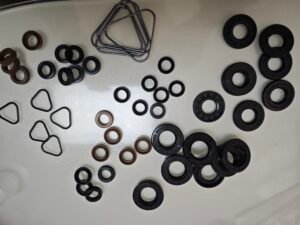
Oil seals are essential components in mechanical equipment. They help prevent lubricant leakage, protect internal components from dust and contaminants, and maintain reliable operating conditions. From automotive engines and gearboxes to hydraulic systems and industrial machinery, oil seals play an important role in equipment performance and service life.
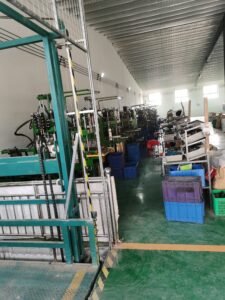
China Feiyun Seals Factory is a professional manufacturer of rubber sealing products in Pingxiang County, China, with more than 15 years of experience in the sealing industry. We specialize in customized oil seals and various industrial sealing solutions for customers worldwide.
1. What Is Seal Oil and What Is an Oil Seal?
The term seal oil generally refers to oil used in sealing applications, particularly in certain industrial sealing systems. It can also appear in searches related to oil seals and mechanical sealing products.
An oil seal, also known as a rotary shaft seal or radial shaft seal, is a mechanical sealing component designed to prevent lubricating oil or grease from leaking between rotating and stationary components.
Oil seals are commonly installed around rotating shafts in engines, transmissions, pumps, motors, gearboxes, and other mechanical equipment.
A typical rubber oil seal consists of several important parts:
Outer Case: Provides structural support and helps secure the oil seal inside the housing.
Sealing Lip: Contacts the rotating shaft to prevent lubricant leakage.
Garter Spring: Maintains radial pressure on the sealing lip in designs equipped with a spring.
Rubber Material: Provides flexibility, elasticity, and resistance to different operating environments.
Dust Lip: Helps prevent dust, dirt, and external contaminants from entering the equipment.
The combination of these components helps maintain effective sealing performance under different operating conditions.
2. Main Functions of Oil Seals
Oil seals are widely used because they provide several important functions in mechanical systems.
Prevent Oil Leakage
The primary function of an oil seal is to prevent lubricating oil or grease from escaping from equipment. Proper sealing helps maintain lubrication and reduces unnecessary fluid loss.
Protect Against Dust and Contaminants
Oil seals help prevent dust, dirt, moisture, and other external contaminants from entering mechanical systems, protecting internal components from premature wear.
Maintain Equipment Performance
By maintaining proper lubrication and reducing contamination, oil seals help improve the reliability and operating efficiency of machinery.
Extend Equipment Service Life
High-quality oil seals reduce the risk of lubricant leakage and contamination-related damage, helping extend the service life of bearings, shafts, and other mechanical components.
3. Common Types of Oil Seals
Different machines and operating environments require different oil seal structures. The following are some common oil seal types used in industrial and automotive applications.
TC Oil Seal
TC oil seals are double-lip rubber oil seals with a metal reinforcement case and a garter spring. They are widely used in automotive engines, gearboxes, agricultural machinery, electric motors, and industrial equipment.
<image_placeholder>
TB Oil Seal
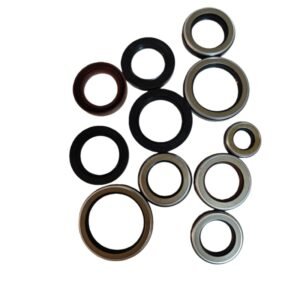
TB oil seals generally feature a metal outer case and a spring-loaded sealing lip. Their structure is suitable for various rotary shaft sealing applications. The exact construction depends on the manufacturer’s design standard.
TA Oil Seal
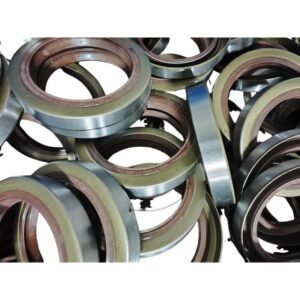
TA oil seals are commonly associated with metal-cased rotary shaft seal designs. They are selected according to shaft dimensions, housing requirements, sealing conditions, and application requirements.
SC Oil Seal
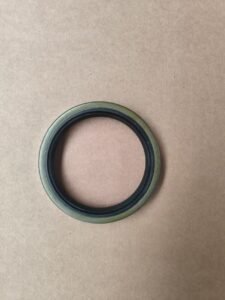
SC oil seals are commonly used to describe single-lip rubber-covered oil seals with a metal reinforcement structure and garter spring. They are suitable for many general industrial sealing applications.
VC Oil Seal
VC oil seals are commonly associated with rubber-covered, single-lip oil seal designs without a garter spring. They can be used in suitable low-pressure or grease-sealing applications, depending on operating conditions.
Choosing the correct oil seal requires considering its structure, material, dimensions, operating temperature, shaft speed, and working environment.
4. Oil Seal Materials and Their Applications
Material selection is an important factor affecting oil seal performance. Different rubber materials offer different levels of temperature resistance, oil resistance, chemical compatibility, and flexibility.
Common oil seal materials include:
NBR (Nitrile Butadiene Rubber)
NBR oil seals offer good resistance to mineral oils, lubricants, and general industrial oils. They are widely used in automotive and industrial machinery applications.
FKM (Fluoroelastomer)
FKM oil seals provide excellent heat resistance and chemical resistance. They are suitable for applications involving higher temperatures and more demanding operating environments.
Silicone Rubber (VMQ)
Silicone oil seals offer good flexibility and a wide operating temperature range. They are used in applications where temperature flexibility is important, subject to fluid compatibility.
PTFE (Polytetrafluoroethylene)
PTFE oil seals offer low friction, excellent chemical resistance, and good wear characteristics. They are suitable for specialized sealing applications with demanding performance requirements.
The appropriate material should always be selected according to the actual working environment and compatibility with the operating fluid.
5. Common Oil Seal Sizes and How to Identify Them
Oil seals are available in many different sizes to fit different shafts and housings.
The standard oil seal size is generally expressed in the following format:
Inner Diameter × Outer Diameter × Width (ID × OD × W)
For example:
20 × 35 × 7 mm
25 × 42 × 7 mm
30 × 47 × 7 mm
35 × 52 × 8 mm
40 × 62 × 8 mm
50 × 72 × 10 mm
These dimensions represent the shaft diameter, housing bore diameter, and oil seal width, respectively.
When purchasing replacement oil seals, customers should confirm the following information:
Oil seal inner diameter.
Oil seal outer diameter.
Oil seal width or thickness.
Oil seal type and structural design.
Rubber material requirements.
Operating temperature and application environment.
If the original oil seal model is unknown, providing the old seal, equipment model, or measured dimensions can help identify a suitable replacement.
China Feiyun Seals Factory supports customized oil seal production according to customer drawings, samples, dimensions, and application requirements.
6. Common Applications of Oil Seals
Oil seals are used in many industries because rotating shafts and lubricated mechanical components require reliable sealing.
Automotive Industry
Automotive oil seals are used in engines, crankshafts, camshafts, transmissions, wheel hubs, and power steering systems.
Hydraulic Equipment
Hydraulic oil seals are used in hydraulic pumps, motors, cylinders, and related equipment to help prevent fluid leakage and contamination.
Agricultural Machinery
Oil seals are commonly installed in tractors, harvesters, agricultural gearboxes, and other farming equipment.
Industrial Machinery
Industrial oil seals are used in electric motors, pumps, compressors, reducers, and mechanical transmission systems.
Construction Machinery
Excavators, loaders, bulldozers, and other construction equipment use different types of sealing products to protect mechanical components and maintain reliable operation.
7. How to Choose the Right Oil Seal
Selecting the correct oil seal is important for preventing leakage and improving equipment reliability.
Before purchasing an oil seal, consider these factors:
Dimensions: Confirm the correct inner diameter, outer diameter, and width.
Material: Select NBR, FKM, silicone, PTFE, or another suitable material according to operating conditions.
Operating Temperature: Ensure the material can withstand the working temperature.
Shaft Speed: Consider the rotational speed and friction requirements.
Working Medium: Check compatibility with lubricating oil, hydraulic fluid, grease, or other fluids.
Installation Conditions: Confirm the housing structure and shaft surface requirements.
Choosing an unsuitable oil seal may result in leakage, excessive wear, deformation, or premature failure.
For customized applications, working with an experienced oil seal manufacturer can help ensure that the product meets the required specifications.
8. China Feiyun Seals Factory – Professional Oil Seal Manufacturer
Hello, my friend! I’m Locke from China Feiyun Seals Factory, located in Pingxiang County, China.
With more than 15 years of experience in sealing products, our factory specializes in manufacturing customized rubber seals and industrial sealing solutions for customers around the world.
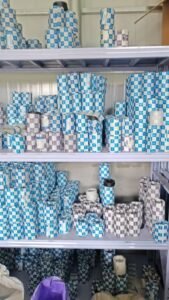
Our main products include:
TC Oil Seals
Customized Rubber Oil Seals
O-Rings and O-Ring Repair Boxes
High-Pressure Oil Seals
Hydraulic Oil Seals
Power Steering Oil Seals
PTFE Oil Seals
Automotive Oil Seals
Valve Oil Seals
GR, GS, and MT Polyurethane Elastic Pads
Why Choose China Feiyun Seals Factory?
More Than 15 Years of Experience
We have over 15 years of experience in manufacturing sealing products and understand the production requirements of different rubber sealing applications.
Customized Manufacturing
We can manufacture sealing products according to customer drawings, samples, dimensions, and specific requirements.
Professional Production Team
Our factory has an established employee training system. Our production team is familiar with the manufacturing processes of rubber sealing products.
Strict Quality Control
We maintain strict quality requirements throughout production to help ensure consistent product quality.
Reliable Delivery Time
We pay close attention to production scheduling and delivery arrangements to support our customers’ purchasing plans.
Rich Export Experience
We have experience serving international customers and handling different types of trade orders.
Complete After-Sales Service
We value long-term business relationships and provide after-sales support to help customers address product and order-related questions.
We have served more than 500 customers worldwide and continue to focus on providing practical and customized sealing solutions.
9. Customized Seal Oil and Oil Seal Solutions from China
If you are looking for a reliable supplier of seal oil-related products, rubber oil seals, rotary shaft seals, or customized industrial sealing components, China Feiyun Seals Factory is ready to support your requirements.
Whether you need standard TC oil seals, hydraulic oil seals, automotive oil seals, PTFE seals, or customized rubber sealing products, we can work with your specifications to find a suitable manufacturing solution.
To receive a quotation, please provide:
Product name or oil seal model
Inner diameter, outer diameter, and width
Required material
Order quantity
Drawings or product photos, if available
Our team will review your requirements and provide further information.
Contact China Feiyun Seals Factory Today
China Feiyun Seals Factory
Pingxiang County, China
Contact Person: Locke
Official Website: https://www.fyoilseal.com
If you are searching for an experienced oil seal manufacturer in China, contact us today. We look forward to building a long-term business relationship with you!
Leave A Comment