


Bearing Seal: Types, Functions, Applications and How to Choose the Right Seal
1. What Is a Bearing Seal?
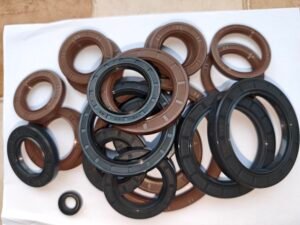
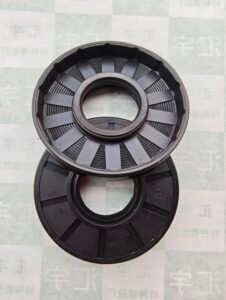
A bearing seal is an important component used in bearing systems to prevent contaminants from entering and lubricant from leaking out. It helps protect bearings from dust, dirt, moisture, water, and other external particles while maintaining proper lubrication inside the bearing assembly.
Bearing seals are widely used in automobiles, industrial machinery, agricultural equipment, electric motors, pumps, gearboxes, and various mechanical systems.
In most applications, bearings require reliable sealing protection to maintain stable operation and extend their service life. Without an effective bearing seal, external contaminants may enter the bearing, causing friction, wear, overheating, and premature bearing failure.
Depending on the equipment structure and operating conditions, bearing seals can be manufactured from different materials, including NBR (Nitrile Butadiene Rubber), FKM (Fluoroelastomer), silicone rubber, and other specialized elastomers.
2. Main Functions of Bearing Seals
A high-quality bearing seal performs several important functions in mechanical equipment.
Prevent Dust and Dirt from Entering
Dust, sand, metal particles, and other contaminants can damage bearing surfaces. Bearing seals create a protective barrier that helps keep these particles away from internal components.
Prevent Lubricant Leakage
Bearings often rely on grease or oil lubrication to reduce friction. A properly designed bearing seal helps retain lubricant and maintain effective lubrication during operation.
Protect Against Water and Moisture
In outdoor equipment, agricultural machinery, automotive applications, and industrial environments, bearings may be exposed to water and humidity. Suitable bearing seals help reduce the risk of corrosion and contamination.
Extend Bearing Service Life
By keeping contaminants out and lubricant in, bearing seals help reduce friction, wear, and maintenance requirements, contributing to longer bearing service life.
3. Common Types of Bearing Seals
Different bearing applications require different sealing structures. The following are some common types of bearing seals used in industrial and automotive equipment.
Rubber Bearing Seals
Rubber bearing seals are widely used because of their flexibility, elasticity, and sealing performance. They can be manufactured in different shapes and sizes to meet specific equipment requirements.
NBR rubber is commonly used for general oil and grease sealing applications, while FKM rubber is suitable for applications requiring higher temperature and chemical resistance.
Oil Seals for Bearings
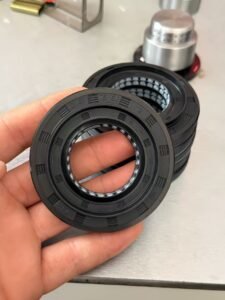
Bearing oil seals are designed to retain lubricating oil or grease while preventing external contaminants from entering rotating assemblies.
Common oil seal designs include TC, TB, TA, SC, and VC types. TC oil seals, for example, feature a double-lip structure with a metal reinforcement and are widely used in automotive and industrial applications.
Double Lip Bearing Seals
Double lip seals provide an additional sealing barrier. They are often used in environments where dust, dirt, and moisture protection are important.
Contact Bearing Seals
Contact seals work by maintaining contact with the rotating shaft or bearing surface. They offer effective protection against lubricant leakage and external contamination.
Non-Contact Bearing Seals
Non-contact seals use a small clearance or labyrinth structure rather than direct contact with the rotating component. They are suitable for applications where reduced friction and high-speed operation are important.
4. Materials Used in Bearing Seals
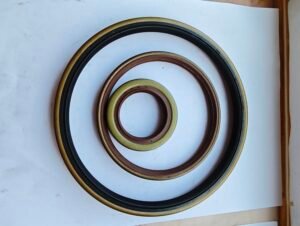
Material selection is essential for bearing seal performance and service life.
Common materials include:
NBR (Nitrile Rubber): Offers good oil resistance, elasticity, and wear resistance. It is widely used in automotive and industrial oil seals.
FKM (Fluoroelastomer): Provides excellent heat resistance and chemical resistance for demanding operating environments.
Silicone Rubber: Offers good flexibility and low-temperature performance.
PTFE: Features low friction, excellent chemical resistance, and good temperature resistance.
Polyurethane (PU): Provides excellent abrasion resistance and mechanical strength for suitable sealing and cushioning applications.
The best material depends on operating temperature, pressure, rotational speed, lubricant type, and environmental conditions.
5. Applications of Bearing Seals
Bearing seals are essential in many industries and mechanical systems.
Automotive Industry
In automotive applications, bearing seals are used in wheel bearings, transmissions, engines, steering systems, and other rotating components. They help prevent grease leakage and protect bearings from road dust, water, and dirt.
Industrial Machinery
Industrial equipment often operates continuously under demanding conditions. Bearing seals help protect bearings in motors, pumps, compressors, gearboxes, and manufacturing machinery.
Agricultural Machinery
Tractors, harvesters, and other agricultural equipment frequently operate in dusty and muddy environments. Reliable bearing seals help prevent contaminants from entering bearing assemblies.
Electric Motors
Bearing seals help maintain lubrication and protect motor bearings from dust and moisture, supporting stable motor operation.
Hydraulic Equipment
Hydraulic machinery uses various sealing components to prevent oil leakage and maintain reliable equipment performance. Depending on the equipment design, bearing seals and hydraulic oil seals may work together in the same mechanical system.
6. How to Choose the Right Bearing Seal
Choosing the correct bearing seal is important for achieving reliable sealing performance.
Before purchasing bearing seals, consider the following factors:
1. Dimensions
Confirm the inner diameter, outer diameter, and width of the seal. Accurate dimensions are essential for proper installation and sealing performance.
2. Material
Select a suitable material according to the operating temperature, lubricant, chemical exposure, and working environment.
3. Operating Speed
For rotating applications, shaft speed and friction should be considered when selecting the sealing structure.
4. Working Environment
Consider whether the equipment operates in dusty, wet, high-temperature, or chemically aggressive environments.
5. Seal Structure
Different applications may require single-lip seals, double-lip seals, contact seals, or non-contact sealing designs.
6. Customization Requirements
For special equipment or replacement applications, customized bearing seals can help meet specific dimensions and performance requirements.
Providing drawings, samples, part numbers, or detailed dimensions can help manufacturers identify the appropriate sealing solution.
7. China Feiyun Seals Factory – Professional Bearing Seal Manufacturer
China Feiyun Seals Factory, located in Pingxiang County, China, has more than 15 years of experience in the sealing products industry.
We specialize in manufacturing and supplying customized rubber seals and industrial sealing products for automotive, machinery, hydraulic, and other industrial applications.
Our main products include:
TC Oil Seals
TB, TA, SC and Other Oil Seals
O-Rings and O-Ring Repair Boxes
High-Pressure Oil Seals
Hydraulic Oil Seals
Power Steering Oil Seals
PTFE Oil Seals
Automotive Oil Seals
Valve Oil Seals
GR, GS and MT Polyurethane Elastic Pads
Customized Rubber Seals
Bearing Seals and Related Sealing Products
With professional experience in rubber seal manufacturing, our factory has established a comprehensive employee training system. Our team is familiar with the manufacturing processes of different sealing products and understands the importance of product consistency and quality control.
We pay close attention to product quality, production schedules, delivery time, and after-sales service.
Our factory can undertake various types of trade and has rich export experience. We have served more than 500 customers worldwide, providing sealing products for different industries and application requirements.
Whether you need standard oil seals, customized rubber bearing seals, or other industrial sealing components, China Feiyun Seals Factory can provide solutions according to your requirements.
8. Why Choose China Feiyun Seals Factory for Bearing Seals?
Choosing an experienced bearing seal manufacturer can help buyers obtain suitable products and establish long-term cooperation.
More Than 15 Years of Experience
We have extensive experience in manufacturing rubber seals, oil seals, and other sealing products.
Customized Manufacturing
We can manufacture sealing products according to customer drawings, samples, specifications, and size requirements.
Wide Product Range
Our product range covers automotive oil seals, hydraulic oil seals, O-rings, PTFE seals, polyurethane products, and other rubber sealing components.
Quality Control
We maintain strict requirements for product quality and pay attention to manufacturing processes and product consistency.
Reliable Delivery
We strictly control production schedules and delivery times to support our customers’ purchasing plans.
Export Experience
With more than 500 customers worldwide, we have experience serving international buyers and handling different types of trade.
9. Frequently Asked Questions About Bearing Seals
What is the main purpose of a bearing seal?
The main purpose of a bearing seal is to prevent contaminants from entering the bearing and retain lubricant inside. It helps reduce wear and extend bearing service life.
What material is commonly used for bearing seals?
NBR is one of the most commonly used materials because of its good oil resistance, elasticity, and cost-effectiveness. FKM, silicone, PTFE, and polyurethane are also used depending on application requirements.
Are bearing seals and oil seals the same?
Not exactly. Bearing seals are a broader category of sealing components used in bearing assemblies. Oil seals are a specific type of seal designed primarily to retain oil or grease and prevent contaminants from entering rotating systems. Many oil seals are used as bearing seals.
Can bearing seals be customized?
Yes. Bearing seals can be customized according to dimensions, materials, sealing structures, and application requirements. Buyers can provide drawings, samples, or product specifications to manufacturers.
How do I find a reliable bearing seal manufacturer?
Look for manufacturers with relevant production experience, a wide product range, customization capabilities, quality control procedures, reliable delivery schedules, and export experience.
How long do bearing seals last?
The service life of a bearing seal depends on material quality, operating temperature, shaft speed, installation conditions, lubrication, and environmental contamination. Proper selection and installation can help improve service life.
10. Contact China Feiyun Seals Factory for Customized Bearing Seals
If you are looking for a reliable bearing seal manufacturer in China, China Feiyun Seals Factory is ready to support your purchasing requirements.
With more than 15 years of manufacturing experience, a wide range of sealing products, customized production capabilities, and international trade experience, we aim to provide suitable sealing solutions for customers worldwide.
Whether you need rubber bearing seals, oil seals, hydraulic seals, automotive seals, or customized sealing products, we welcome your inquiries.
Contact China Feiyun Seals Factory today to discuss your bearing seal requirements and get a customized quotation.
Leave A Comment