


1. What Is a Sealed Shaft?
A sealed shaft is a shaft assembly equipped with a sealing component designed to prevent oil, grease, water, dust, and other contaminants from entering or escaping mechanical equipment. Sealed shafts are widely used in automotive systems, hydraulic machinery, industrial pumps, gearboxes, motors, agricultural equipment, and construction machinery.
In most mechanical applications, a sealed shaft uses an oil seal, rubber seal, O-ring, or other sealing element installed around a rotating or reciprocating shaft. The primary purpose is to maintain proper lubrication, prevent fluid leakage, and protect internal components from external contamination.
A properly designed sealed shaft helps improve equipment reliability, reduce maintenance costs, and extend the service life of machinery.
For manufacturers and equipment maintenance professionals, selecting the correct shaft sealing solution is essential for achieving stable and long-term performance.
2. How Does a Sealed Shaft Work?
The working principle of a sealed shaft depends on the sealing structure and application environment.
For a typical rotating shaft, a rotary shaft oil seal is installed in a housing, with its sealing lip contacting the shaft surface. A spring is often used to maintain consistent radial pressure between the sealing lip and the shaft.
The sealing system performs several important functions:
Prevents lubricating oil and grease from leaking out.
Prevents dust, dirt, and water from entering the equipment.
Maintains stable lubrication inside mechanical components.
Reduces friction-related damage and premature wear.
Protects bearings, gears, and other internal parts.
Different operating conditions require different sealing materials and structures. Temperature, pressure, shaft speed, chemical compatibility, and installation dimensions should all be considered when choosing a sealed shaft solution.
3. Common Types of Sealed Shaft Solutions
There are several types of shaft seals available for different industrial and automotive applications.
3.1 Rotary Shaft Seals
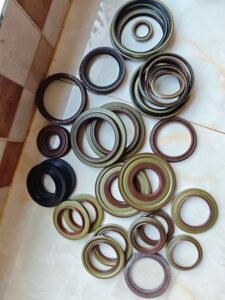
Rotary shaft seals are among the most commonly used sealing products for rotating equipment. They are designed to retain lubricants and prevent contaminants from entering mechanical systems.
Common applications include:
Electric motors
Industrial gearboxes
Hydraulic pumps
Automotive transmissions
Agricultural machinery
Construction equipment
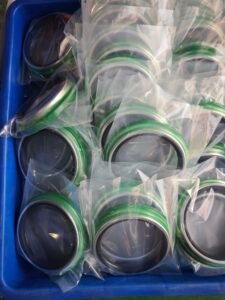
TC oil seals are a popular type of rotary shaft seal. They generally feature a metal case, a rubber-covered outer diameter, a sealing lip, and a garter spring.
3.2 Hydraulic Shaft Seals
Hydraulic shaft seals are designed for hydraulic equipment operating under demanding conditions. They help prevent hydraulic fluid leakage and maintain system performance.
These seals are widely used in:
Hydraulic pumps
Hydraulic motors
Construction machinery
Industrial hydraulic equipment
Agricultural machinery
The material and structure should be selected according to the working pressure, temperature, fluid type, and operating environment.
3.3 PTFE Shaft Seals
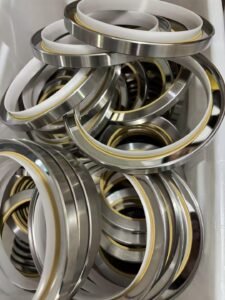
PTFE shaft seals are suitable for applications requiring excellent chemical resistance, low friction, and good temperature resistance.
Compared with conventional rubber seals, PTFE sealing elements offer different performance characteristics and are suitable for specialized industrial applications.
Typical applications include chemical processing equipment, compressors, pumps, automotive systems, and precision machinery.
3.4 O-Ring Shaft Seals
O-rings are simple but highly versatile sealing components. They are commonly installed in grooves to provide static or dynamic sealing between two surfaces.
O-rings are widely used in:
Hydraulic systems
Pneumatic equipment
Automotive components
Industrial machinery
Fluid transfer systems
Different rubber materials can be selected according to temperature, pressure, and chemical requirements.

3.5 High-Pressure Oil Seals
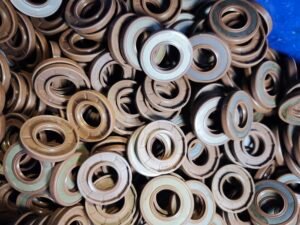
High-pressure oil seals are designed for applications involving higher fluid pressures than conventional oil seals can typically handle.
They are used in specialized hydraulic systems, pumps, industrial machinery, and other equipment requiring reliable oil retention under demanding operating conditions.
Correct seal selection is important because excessive pressure, shaft movement, or incorrect installation can cause premature seal failure.
4. Materials Used for Sealed Shaft Products
The material of a shaft seal directly affects its performance, durability, and compatibility with the working environment.
Common sealing materials include:
NBR (Nitrile Butadiene Rubber)
NBR is widely used in standard oil seals because of its good resistance to mineral oils, fuels, and general mechanical wear. It is a common choice for automotive and industrial applications.
FKM (Fluoroelastomer)
FKM offers good heat resistance and chemical resistance. It is suitable for applications involving higher temperatures and more demanding operating environments.
Silicone Rubber (VMQ)
Silicone rubber offers good flexibility and low-temperature performance. It is used in applications where temperature flexibility is important.
PTFE (Polytetrafluoroethylene)
PTFE has low friction and excellent chemical resistance. It is suitable for specialized sealing applications requiring specific performance characteristics.
Polyurethane (PU)
Polyurethane is known for its good wear resistance and mechanical strength. It is widely used in hydraulic sealing systems and industrial components.
Choosing the right material helps ensure that a sealed shaft operates reliably under actual working conditions.
5. Common Applications of Sealed Shafts
Sealed shaft assemblies are essential in many industries because almost every rotating mechanical system requires protection against fluid leakage and contamination.
Automotive Industry
In automotive systems, shaft seals are used in engines, transmissions, steering systems, wheel hubs, and other mechanical components.
Common products include automotive oil seals, power steering oil seals, and valve stem seals.
Hydraulic Equipment
Hydraulic pumps, motors, cylinders, and other hydraulic systems require reliable sealing components to prevent fluid leakage and maintain operating efficiency.
Hydraulic oil seals and high-pressure oil seals are widely used in these applications.
Industrial Machinery
Industrial motors, gearboxes, compressors, and pumps rely on shaft seals to maintain lubrication and prevent contamination.
Rotary shaft seals are particularly important for reducing equipment maintenance requirements.
Agricultural and Construction Machinery
Agricultural machinery and construction equipment frequently operate in dusty, muddy, and high-load environments.
Durable oil seals and rubber sealing products help protect internal components and improve equipment service life.
6. How to Choose the Right Sealed Shaft?
Selecting the correct sealed shaft product requires more than simply matching the shaft diameter.
Here are several important factors to consider:
1. Shaft Dimensions
Confirm the shaft diameter, housing bore diameter, and seal width. Accurate dimensions are essential for proper installation and sealing performance.
2. Working Temperature
Different rubber materials have different temperature resistance ranges. Select a material suitable for the actual operating temperature.
3. Operating Pressure
For hydraulic and high-pressure applications, make sure the selected seal structure is designed for the required pressure conditions.
4. Shaft Speed
Rotating speed affects friction, heat generation, and sealing lip wear. High-speed applications may require specialized seal designs.
5. Working Medium
Consider whether the seal will come into contact with hydraulic oil, engine oil, grease, fuel, water, or chemicals.
6. Installation Environment
Dust, moisture, vibration, shaft surface finish, and alignment can all affect sealing performance.
Working with an experienced shaft seal manufacturer can help buyers identify suitable materials, structures, and dimensions for their applications.
7. Common Causes of Sealed Shaft Failure
Even a high-quality shaft seal may fail prematurely if the operating conditions or installation process are unsuitable.
Common causes include:
Incorrect seal dimensions.
Improper installation or damaged sealing lips.
Excessive shaft surface roughness or wear.
High operating temperatures.
Excessive pressure.
Chemical incompatibility between the sealing material and working fluid.
Shaft misalignment or excessive vibration.
Dust and other contaminants entering the sealing area.
Regular inspection and correct product selection can help reduce unexpected equipment downtime.
8. China Feiyun Seals Factory – Professional Sealed Shaft and Oil Seal Manufacturer
China Feiyun Seals Factory, located in Pingxiang County, China, has more than 15 years of experience in the sealing products industry.
We specialize in manufacturing customized rubber seals and various industrial and automotive sealing products. With professional production experience and a comprehensive employee training system, our factory is familiar with the manufacturing processes and quality requirements of different sealing products.
Our main products include:
TC oil seals
Rotary shaft seals
Hydraulic oil seals
High-pressure oil seals
Power steering oil seals
Automotive oil seals
Valve stem oil seals
PTFE oil seals
O-rings
O-ring repair kits
GR, GS, and MT polyurethane elastic pads
Customized rubber sealing products
We understand that different customers have different equipment requirements. Therefore, we can provide customized sealing products according to customer drawings, samples, dimensions, and application requirements.
Why Choose China Feiyun Seals Factory?
More Than 15 Years of Manufacturing Experience
Our factory has extensive experience in rubber sealing products and understands the production requirements of different types of oil seals and industrial seals.
Customized Sealing Solutions
We support customized products based on drawings, samples, specifications, and customer requirements.
Strict Quality Control
We maintain strict quality requirements throughout the production process to help ensure consistent product quality.
Reliable Delivery Time
We pay close attention to production planning and delivery schedules to support our customers’ purchasing arrangements.
Rich Export Experience
Our factory has extensive experience in international trade and has served more than 500 customers worldwide.
Professional After-Sales Service
We value long-term business relationships and provide professional communication and after-sales support to our customers.
Whether you need standard rotary shaft seals, customized oil seals, hydraulic seals, or other rubber sealing products, China Feiyun Seals Factory can provide suitable solutions for your purchasing requirements.
9. Custom Sealed Shaft and Oil Seal Solutions for Global Buyers
Finding a reliable sealed shaft manufacturer is important for distributors, wholesalers, machinery manufacturers, automotive parts suppliers, and industrial equipment maintenance companies.
At China Feiyun Seals Factory, we are committed to providing reliable sealing products, customized manufacturing services, and professional customer support.
If you are looking for a supplier of rotary shaft seals, TC oil seals, hydraulic oil seals, PTFE seals, O-rings, or customized rubber sealing products, we welcome your inquiry.
Please send us your product drawings, samples, dimensions, or purchasing requirements. Our team will help you find a suitable sealing solution.
Contact China Feiyun Seals Factory today and let us support your sealing product requirements with professional manufacturing experience and reliable service.
Leave A Comment