


National Oil Seal Cross Reference Chart: How to Find the Right Oil Seal Replacement
1. What Is a National Oil Seal Cross Reference Chart?
A National Oil Seal Cross Reference Chart is a reference tool used to identify equivalent or interchangeable oil seals from different manufacturers. It helps distributors, wholesalers, automotive repair shops, and industrial buyers find suitable replacement oil seals based on part numbers, dimensions, materials, and application requirements.
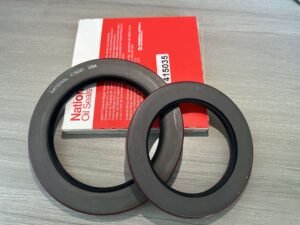
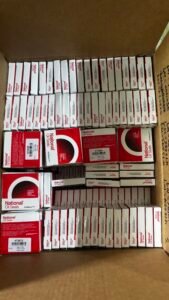
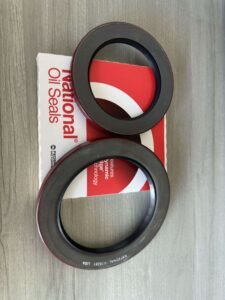
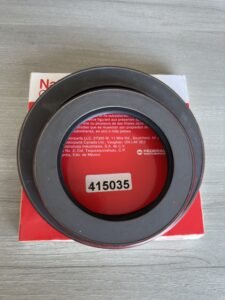
Oil seals are widely used in automotive engines, transmissions, agricultural machinery, industrial equipment, hydraulic systems, and other mechanical applications. When an original oil seal is unavailable or discontinued, a cross-reference chart can help users identify an alternative product with compatible specifications.
However, matching an oil seal requires more than comparing part numbers. Buyers should also check the inner diameter (ID), outer diameter (OD), width, sealing structure, rubber material, operating temperature, and working environment.
For international buyers, understanding oil seal cross-reference information can make purchasing easier and help reduce maintenance costs.
2. How to Use a National Oil Seal Cross Reference Chart
When searching for a replacement oil seal, follow these steps:
Step 1: Identify the Original Part Number
Check the part number printed on the original oil seal, product packaging, equipment manual, or supplier documentation.
Step 2: Check the Oil Seal Dimensions
The three basic dimensions of a standard oil seal are:
Inner Diameter (ID): The diameter of the shaft.
Outer Diameter (OD): The diameter of the housing bore.
Width (W): The thickness of the oil seal.
For example, an oil seal marked 30×47×7 has:
Inner diameter: 30 mm
Outer diameter: 47 mm
Width: 7 mm
Step 3: Confirm the Oil Seal Type
Different oil seal structures have different applications. Common types include TC, TB, TA, SC, and VC oil seals.
Step 4: Check the Material
Common oil seal materials include NBR, FKM, HNBR, and silicone rubber. The material should match the operating temperature, oil type, and working conditions.
Step 5: Verify the Replacement
A cross-reference number is a useful starting point, but buyers should confirm the actual dimensions, sealing lip design, material, and operating requirements before purchasing.
3. Common Oil Seal Types for Cross Reference
Different oil seal types are designed for different working environments. Understanding their structures can help buyers select the correct replacement.
TC Oil Seal
TC oil seals are double-lip rubber-covered oil seals, generally featuring a primary sealing lip and an additional dust lip. They are widely used in automotive engines, gearboxes, pumps, and industrial machinery.
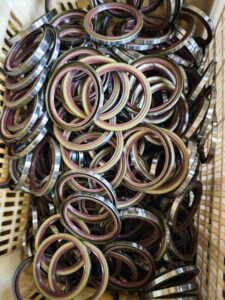
TB Oil Seal
TB oil seals are metal-cased oil seals with a single sealing lip. They are suitable for various rotating shaft sealing applications.
TA Oil Seal
TA oil seals feature a metal outer case and are commonly used in mechanical equipment requiring reliable shaft sealing.
SC Oil Seal
SC oil seals are rubber-covered, single-lip oil seals. They are commonly used in general industrial and automotive applications.
VC Oil Seal
VC oil seals are commonly used in applications requiring a single sealing lip and a metal outer case.
When selecting an equivalent product, the replacement should match the original sealing structure and application requirements rather than relying only on the model name.
4. Oil Seal Cross Reference Chart: Important Specifications
The following table provides a practical reference for comparing oil seals when searching for replacement products.
| Specification | Description |
|---|---|
| Part Number | Original oil seal identification number |
| Inner Diameter (ID) | Shaft diameter |
| Outer Diameter (OD) | Housing bore diameter |
| Width (W) | Oil seal thickness |
| Material | NBR, FKM, HNBR, Silicone, etc. |
| Seal Type | TC, TB, TA, SC, VC, etc. |
| Application | Automotive, hydraulic, industrial, agricultural machinery |
| Operating Temperature | Depends on the selected rubber material |
| Sealing Structure | Single lip, double lip, dust lip, etc. |
Important: This is a specification comparison guide, not an official National brand part-number conversion table. Actual National oil seal cross-reference numbers should be verified against the original manufacturer’s catalog or reliable supplier documentation.
5. How to Find the Correct Oil Seal Replacement Without a Part Number
Sometimes the original oil seal number is missing, worn out, or difficult to identify. In this situation, buyers can still find a replacement by providing the following information:
Original oil seal dimensions (ID × OD × Width).
Oil seal photographs showing the front, back, and side.
Equipment brand and model.
Application and working environment.
Original oil seal material, if known.
An experienced oil seal manufacturer can use this information to help identify a suitable replacement or produce a customized oil seal.
For bulk purchasing, providing accurate technical specifications can also help avoid incorrect orders and unnecessary production delays.
6. Oil Seal Materials and Their Applications
Choosing the right rubber material is essential for oil seal performance and service life.
NBR (Nitrile Rubber): Commonly used in general oil sealing applications. It offers good resistance to mineral oils, lubricants, and wear.
FKM (Fluoroelastomer): Suitable for applications involving higher temperatures and demanding chemical resistance requirements.
HNBR (Hydrogenated Nitrile Rubber): Provides improved heat resistance, mechanical strength, and durability compared with standard NBR in many applications.
Silicone Rubber: Offers excellent flexibility and a wide operating temperature range, making it suitable for selected automotive and industrial applications.
PTFE (Polytetrafluoroethylene): Used in specialized sealing applications requiring low friction, wear resistance, and chemical resistance.
The final material selection should be based on the actual working conditions, including temperature, pressure, shaft speed, and fluid compatibility.
7. China Feiyun Seals Factory – Professional Oil Seal Manufacturer
China Feiyun Seals Factory, located in Pingxiang County, China, has more than 15 years of experience in the sealing products industry.
We specialize in manufacturing customized rubber seals and industrial sealing products for international customers. With professional production experience, a comprehensive employee training system, and familiarity with sealing product manufacturing processes, we are committed to providing reliable products and customized solutions.
Our main products include:
TC oil seals and other rubber oil seals
TB, TA, SC, and VC oil seals
O-rings and O-ring repair kits
High-pressure oil seals
Hydraulic oil seals
Power steering oil seals
PTFE oil seals
Automotive oil seals
Valve stem oil seals
Hydraulic and pneumatic cylinder guide strips
GR, GS, and MT polyurethane elastic pads
Whether you are looking for standard oil seals, replacement products, or customized sealing components, Feiyun can help you find suitable solutions according to your requirements.
Why Choose China Feiyun Seals Factory?
More Than 15 Years of Experience
We have extensive experience in rubber sealing product manufacturing and understand the production requirements of different sealing applications.
Customized Oil Seal Production
We support customized oil seals according to drawings, samples, dimensions, and customer specifications.
Strict Quality Control
We maintain strict quality requirements throughout the production process to help ensure consistent product quality.
Reliable Delivery Time
We pay close attention to production schedules and delivery arrangements to support our customers’ purchasing plans.
Rich Export Experience
We have experience handling different types of international trade orders and have served more than 500 customers worldwide.
Professional After-Sales Service
We value long-term customer relationships and provide professional communication and after-sales support.
8. OEM Oil Seal Cross Reference and Customized Production
If you cannot find the exact replacement in a National oil seal cross reference chart, customized production may be another practical option.
China Feiyun Seals Factory can manufacture oil seals according to customer drawings, samples, part numbers, and dimensional requirements.
Our OEM services are suitable for:
Oil seal distributors and wholesalers
Automotive parts suppliers
Industrial machinery manufacturers
Hydraulic equipment suppliers
Agricultural machinery parts dealers
Maintenance and repair companies
We can discuss product dimensions, rubber materials, sealing structures, and packaging requirements to help customers obtain suitable sealing products for their markets.
9. Contact China Feiyun Seals Factory for Oil Seal Cross Reference Support
Are you looking for a National oil seal replacement, an oil seal cross-reference solution, or a reliable oil seal manufacturer in China?
China Feiyun Seals Factory is ready to support your purchasing requirements.
You can send us the original part number, oil seal dimensions, product drawings, or photographs. Our team will help you check the specifications and discuss suitable replacement or customized production options.
China Feiyun Seals Factory
Location: Pingxiang County, China
Experience: More than 15 years in sealing products manufacturing
Main Products: TC Oil Seals, Hydraulic Oil Seals, Automotive Oil Seals, O-Rings, PTFE Oil Seals, and Customized Rubber Seals.
We welcome inquiries from global distributors, wholesalers, importers, and OEM customers.
Contact us today for oil seal quotations and customized sealing solutions.
Leave A Comment